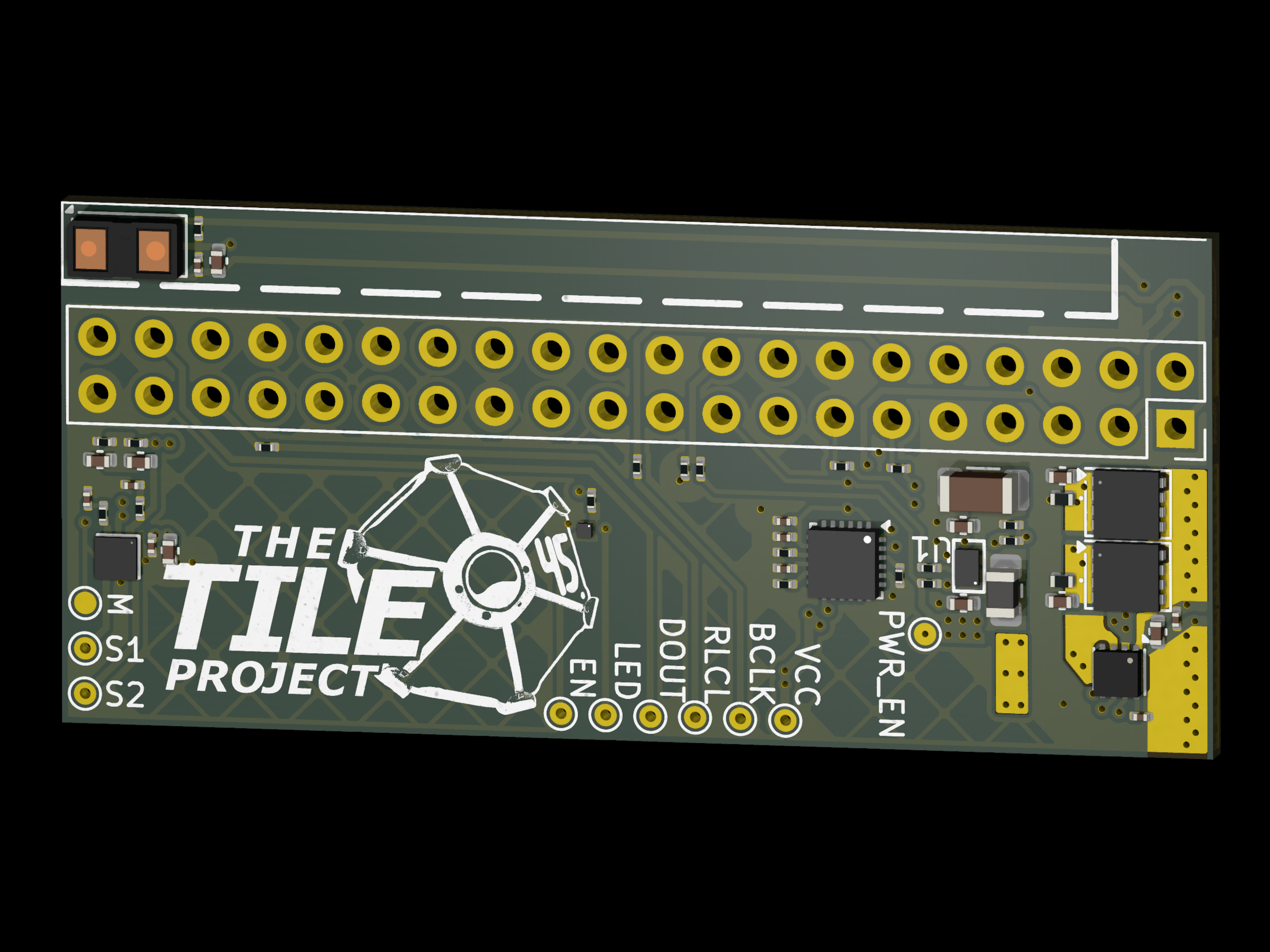
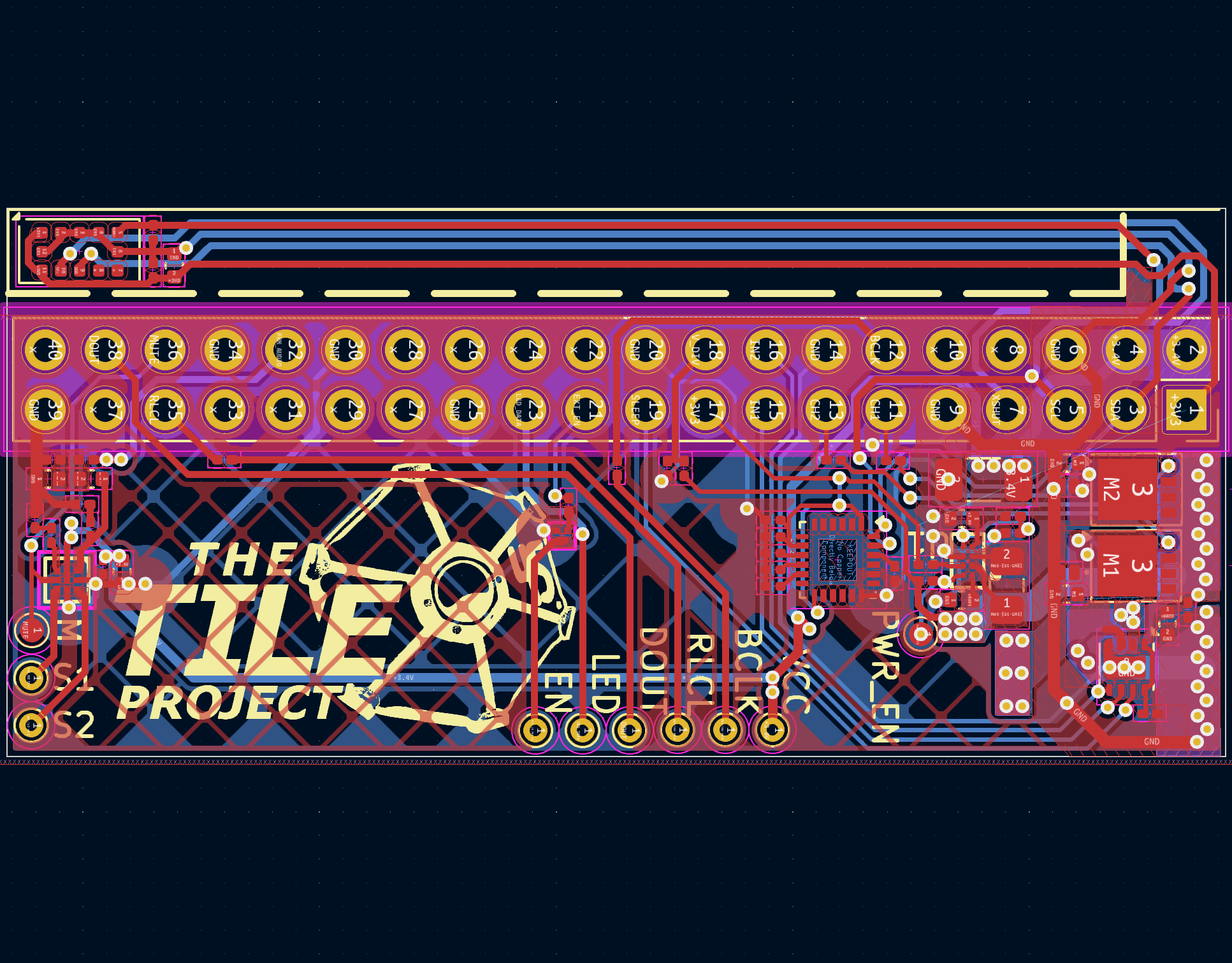
Large exposed copper fills, plenty of vias, and some generous solder let this flexible circuit power a real robot!
I’m happy with how this came out even if it got some questions from the fab. I’m using BGA components which have 0.1mm spacing between pads and this caused it to get rejected initially. I just changed the round pads to square to fix this issue. They then asked me if they could remove the solder mask openings. They have strange shapes but I was just trying to expose as much copper as I could. Keep in mind that the h-bridge driver (the third large IC by the battery input pads) is only 2*2mm. These pads are very small so I wanted to make sure the heat could get out.
This board punches above its weight and the short, wide power traces should limit heating. I tired to power 8mm motors with my first board and it melted the solder joints. Flexible PCBs can’t carry much current so this was my solution.
The new logo makes this project official! This board will run three motors, measure acceleration, gyro, and altitude- power the raspberry pi, output mono audio, and control the eye LEDs. I want this to be my stepping stone to actually designing an embedded Linux board. That will probably be for the V3 sometime.
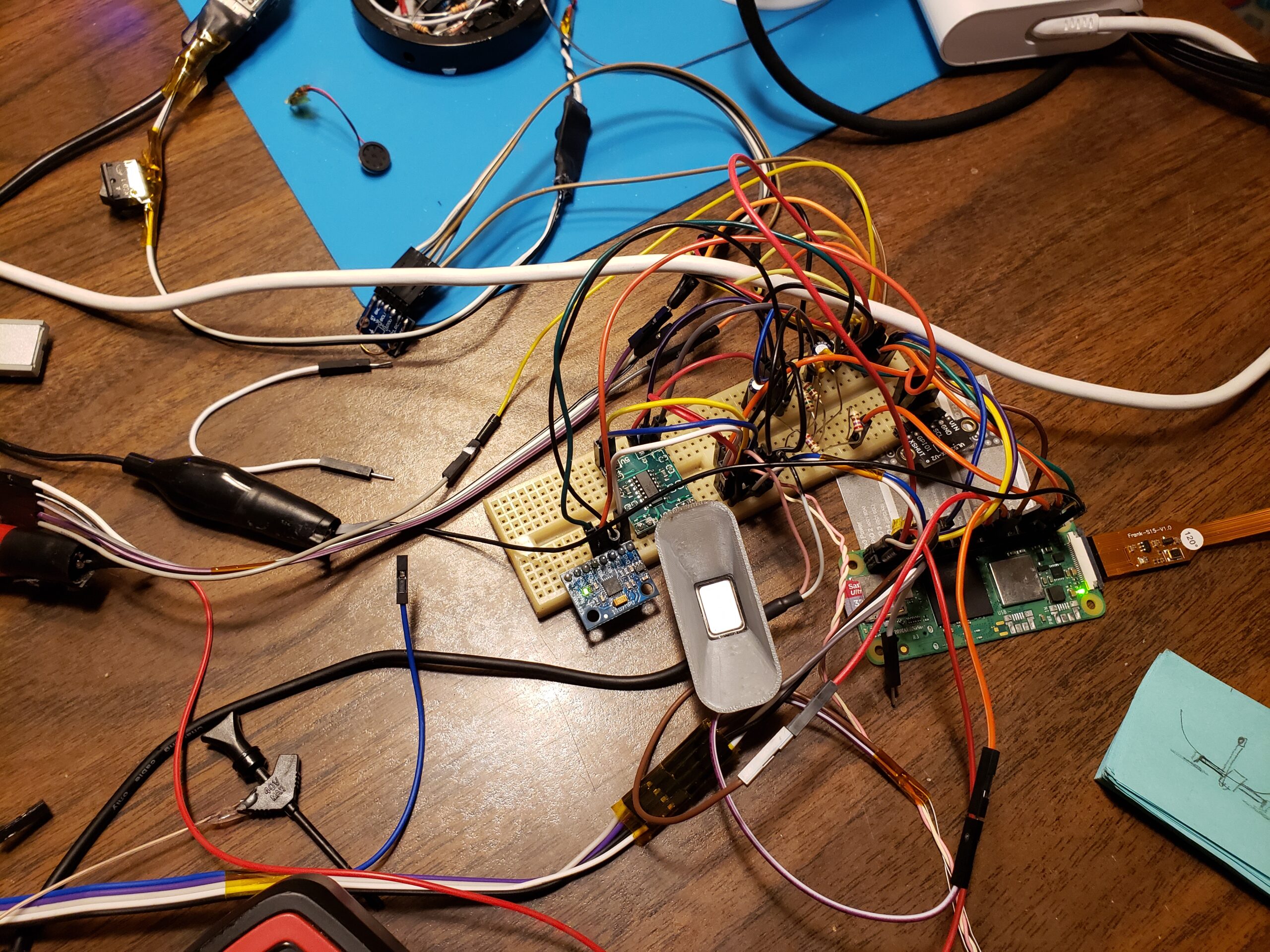
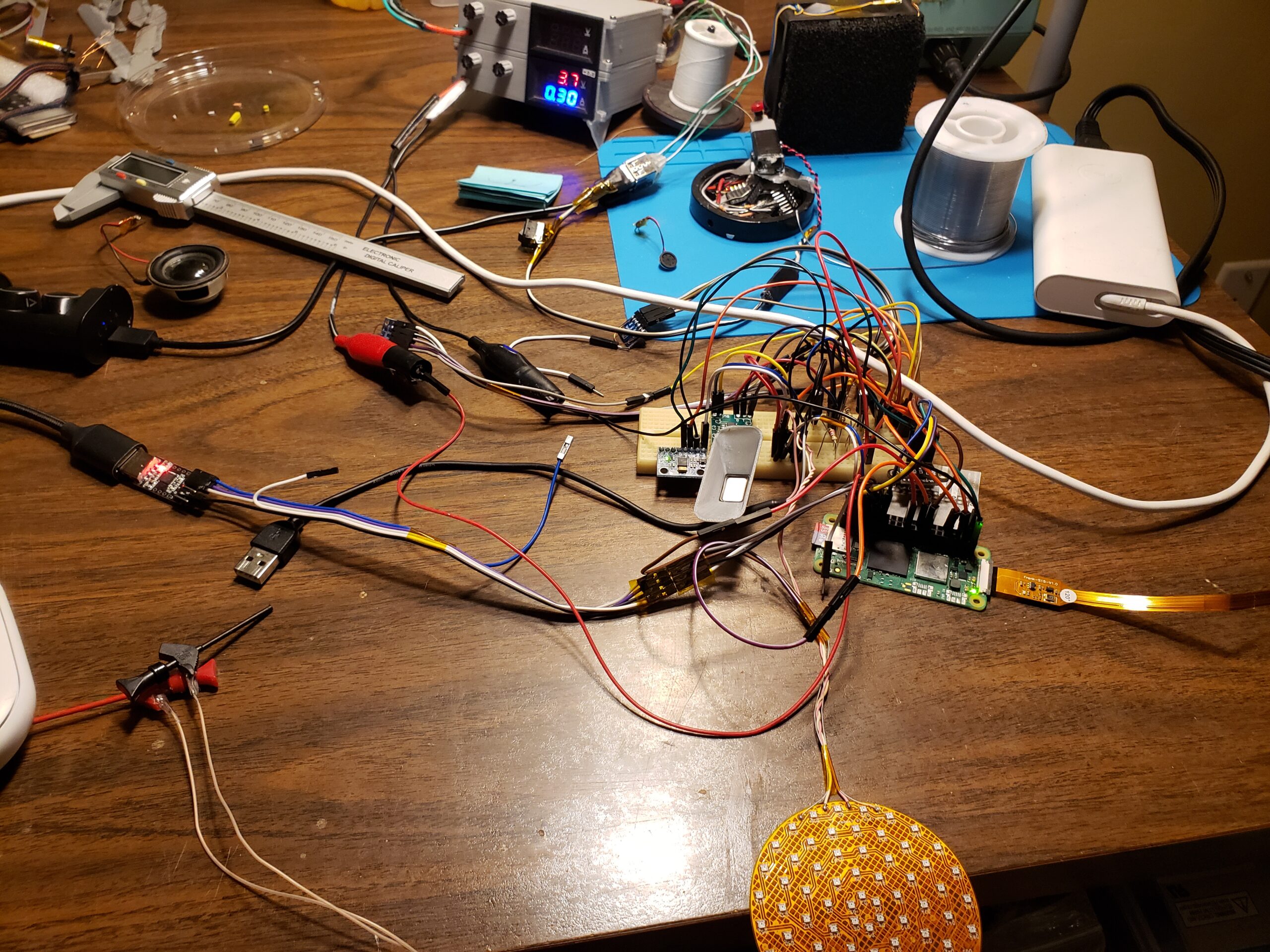
45 on a Breadboard?!
I thought that the V1 code would be drag and drop and I was somewhat correct
The only differences this circuit has from the V1 are the matrix and the microphones. I had to change the sample rate and the audio output took a lot of tweaking but after that I was able to connect and talk to 45 on this breadboard. I’ve tested all the hardware and can confirm that everything works (works well? not yet). I had some breadboard connection issues for the audio output and the microphone input is spotty but I hope the new circuit and better code filtering will help. This will be my focus coming up.
This Week's Gallery:
Plans For Next Week:
Iron out issues with the breadboard circuit
I can’t really do any physical design until I get the new board in to power the motors so I’ll stick to programming. I’m also moving into the programming phase of my university’s satellite project so this only makes sense. I have 45 talking on the breadboard but I need to do some testing to make sure the microphones are up to the task.
Todo List:
Clean up the test circuit, possibly repackage?
Work out the microphone issues in hardware or software